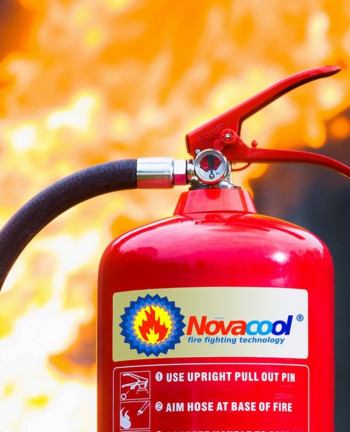

Early warning systems are essential tools for preventing major incidents such as fires and play a significant role in protecting lives and property
Definition of Early Warning Systems
Early warning systems are technologies used to detect hazards early, such as fires or chemical threats, and alert individuals and authorities in advance
Types of Early Warning Systems
Fire Alarm Systems Include smoke and heat detectors that monitor signs of fire and issue audible or visual alarms
Gas Detection Systems
Detect harmful gas leaks and issue alerts to mitigate risks
Video Surveillance Systems
Use cameras to monitor sensitive areas and alert when detecting any unusual activities
Benefits of Early Warning Systems
Early Alerts provide early warnings that help in taking quick actions, reducing the risk of severe damage
Improved Response allow sufficient time for safe evacuation and more effective response to emergencies
Damage Reduction help minimize damage from incidents through prompt intervention
Increased Safety enhance individual safety and support preventive measures in workplaces and homes
Importance of Maintenance and Upgrades
Regular maintenance is essential to ensure systems operate efficiently
Regular updates can improve their capability to handle the latest threats and technologies